Start with your workflow, not the brochure
Liquid handlers look similar until you run your own protocol. The same instrument can perform well in one lab and frustrate another because the limiting factors are often specific: viscosity, cell suspensions, plate types, and how often protocols change.
A good purchase decision usually comes from a short, realistic evaluation. You do not need months. You need the right tests and clear acceptance criteria.
Performance metrics that actually matter
- Precision and accuracy across your working range: Ask for data at the volumes you use, not only at 1 or 10 µL. Include your real reagents, not just water.
- Speed in the context of evaporation: A fast cycle matters most in low-volume plates where open time drives edge effects.
- Dead volume and sample conservation: Quantify how much extra mix you must prepare and how much remains unused after a run.
- Carryover risk: Understand the contamination pathways and how the platform mitigates them.
- Mixing capability: Some assays need active mixing. Some do not. Match the instrument to the need.
- Ease of method building: If protocols change weekly, software usability becomes as important as raw performance.
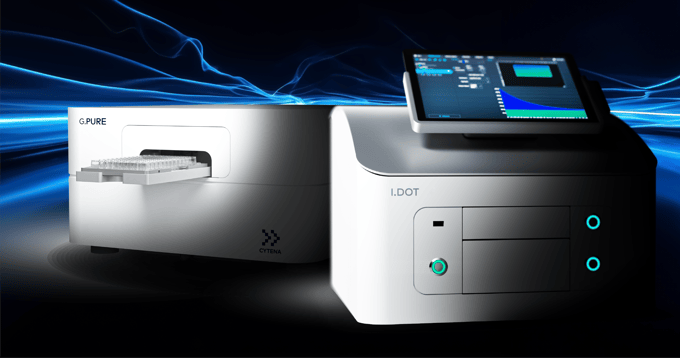 Image 1: G.PREP Bundle for NGS Library Preparation, consisting of G.PURE and I.DOT
Total cost of ownership
The purchase price is only part of the cost. Tips, service contracts, software licenses, and downtime add up. In high-throughput settings, consumables can dominate operating cost. For low-throughput labs, ease of use and reliability may matter more.
Integration and data integrity
If you operate in regulated environments or run at high throughput, plan for integration early. Consider barcode handling, audit trails, export formats, and whether the vendor supports an API (application programming interface). Even in research labs, being able to link plate maps to downstream data saves time and reduces errors.
A short evaluation plan
A practical evaluation can be done with three test runs:
- A dye or gravimetric plate to quantify dispense CV and spatial patterns.
- A carryover test with alternating high and blank wells.
- One real assay plate to confirm that the readout improves, not just the dispense numbers.
Where tip-free dispensing fits
Tip-free pressure based dispensers like the DISPENDIX I.DOT are often strongest in low-volume dispensing, plate mapping, and workflows where consumables and carryover are painful. Tip-based robots can be better for bulk transfers and aggressive mixing. Many labs combine both to cover the full workflow.
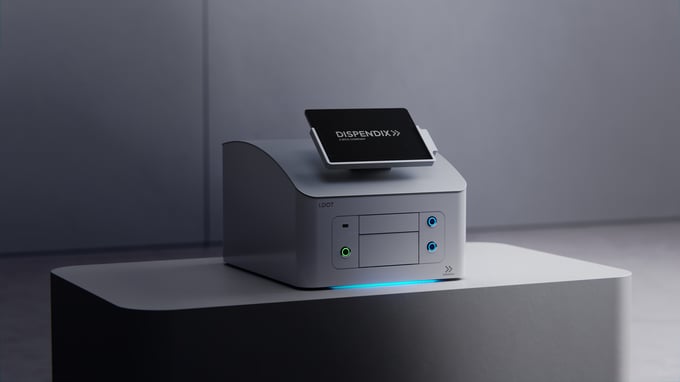 Image 2: DISPENDIX I.DOT
Key takeaways
- Define acceptance criteria before demos. Otherwise every platform looks good.
- Test with your real reagents and your real volumes.
- Plan for integration and long-term operating cost, not only for day-one performance.